Publications

Publications

71 papers. Click a row for the abstract.

Featured

All papers

  • Zaffina, L. et al. 2026

    Zaffina, L., Diano, M., Petruso, F., Preti, M. G., Amico, E., Morgenroth, E., Petri, G., Van De Ville, D., Vuilleumier, P. O., Santoro, A.

    bioRxiv

    Emotions are thought to emerge from co-activation among distributed brain systems, yet traditional fMRI analyses typically examine localized responses and pairwise connections, potentially overlooking interactions among groups of regions. Here, we use time-resolved higher-order topology to characterize these group interactions during naturalistic viewing of 14 films totaling over 2.5 h, continuously annotated across 50 affective features. The homological scaffold, representing evolving group-level topology, most closely tracks recurrent emotional states and best predicts fine-grained affective profiles. This sensitivity diminishes when emotion is compressed into dimensions of valence, arousal, and power, where pairwise connectivity captures the dominant arousal signal. Across three independent datasets, arousal predictions transfer most robustly through pairwise connectivity, while the relative geometry of broad affective states remains conserved across film narratives despite poor valence generalization. These findings reveal complementary neural representations of emotion: higher-order topology captures fine-grained affective structure, whereas pairwise connectivity provides a portable readout of broad arousal.

    Topological Neuroscience

  • Frankland, S. M. et al. 2026

    Frankland, S. M., Marjieh, R., Nurisso, M., Fluegemann, J., Webb, T. W., Petri, G., Lewis, R. L., Cohen, J. D.

    PsyArXiv

    The striking constraints of some human cognitive processes stand in stark contrast to the near limitless capability of others. While we can acquire and flexibly use vast amounts of information, the amount we can process at any one time is often stiflingly limited: for example the number of items we can hold in working memory or the number of tasks that can be performed at once. Here, we integrate ideas from information theory, cognitive science, and neuroscience to offer a unified account of why processing is often so limited. We argue that this reflects a fundamental tradeoff between generalization—how effectively existing representations can be used in novel settings—and how many distinct representations can be processed in parallel. Representations that best promote strong forms of generalization — a characteristically human cognitive strength — come at the expense of surprisingly strict limits in the number of items that can be processed at once, an equally characteristic human weakness. We refer to this as the “curse of generalization.” We formulate this first in information-theoretic terms, and then in process models, including a neural network model of classic tasks used to demonstrate strict limits in human processing capacity. This tension offers a potential explanation for a range of phenomena — from performance on the tasks on which we focus, to representational learning and skill acquisition more broadly — as well as the performance of modern machine learning architectures that exhibit generalization capabilities comparable to humans.

    Cognitive and NeuroAI

  • Lorenz, G. M. et al. 2026

    Lorenz, G. M., Engel, N. M., Koçillari, L., Celotto, M., Orsenigo, D., Curreli, S., Blanco Malerba, S., Engel, A. K., Kayser, C., Fellin, T., Luppi, A. I., Panzeri, S.

    Patterns

    Partial information decomposition (PID) has emerged as a principled way to decompose the information carried by neural activity into components identifying whether interactions among neurons or brain areas generate synergistic or redundant information. Here, we demonstrate that empirical measures of synergy and redundancy based on either Gaussian or discrete probability estimators suffer from a substantial limited-sampling estimation bias. This bias is much larger for synergy than for redundancy. The gap between them increases with the number of parameters specifying the probability distributions. We develop procedures that effectively correct for the bias and provide rules of thumb for the sample sizes required to obtain unbiased estimates. We show that, when used on empirical brain datasets, they successfully remove large synergy biases across species, recording modalities, and experimental designs. Our bias corrections extend the range of neuroscience questions and experimental designs addressable with PID and allow accurate comparisons between synergy and redundancy.

    Topological Neuroscience

  • Dohnány, S. et al. 2026

    Dohnány, S., Jerotic, K., Orsenigo, D., Serra, E., Ali, H., Buhler, J., Liu, Z.-Q., Muta, K., Hata, J., Okano, H., Deco, G., Kringelbach, M. L., Luppi, A. I.

    bioRxiv

    How the activity and connectivity of the brain support consciousness remains a central question in neuroscience. Recent progress driven by the use of functional MRI has seen growing recognition that large-scale distributed functional organisation of the human and non-human primate brain are systematically and consistently reshaped by anaesthetic-induced unconsciousness, across anaesthetics and across human and macaque. Here, we generalise these results to a different primate species that is gaining traction as model organism in neuroscience, the marmoset ( Callithrix jacchus ). We also generalise results to an additional anaesthetic, isoflurane, which we compare with propofol and sevoflurane. We report that under anaesthesia with propofol, sevoflurane, or isoflurane, distributed brain activity from functional MRI is increasingly constrained by the underlying structural connectivity across scales. Anaesthesia also induces a collapse of the principal gradient and intrinsic functional geometry of the marmoset brain, coinciding with a breakdown of hierarchical integration. Altogether, the present results indicate generalisable signatures of anaesthesia in the large-scale organisation of the primate brain.

    Topological Neuroscience

  • Guadagnuolo, F. M. et al. 2026

    Guadagnuolo, F. M., Nurisso, M., Galluzzi, F., Allard, A., Petri, G.

    arXiv

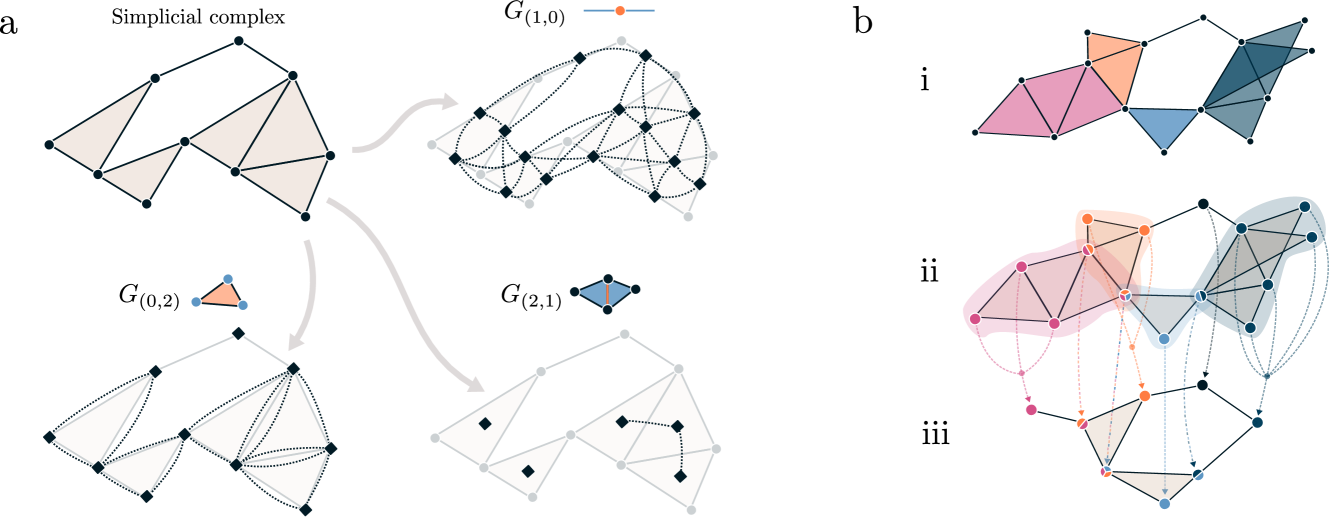
    We establish that discrete harmonic morphisms—surjective maps maintaining harmonic functions—represent the foundational condition enabling random walks on detailed networks to project onto their simplified versions through appropriate time adjustments. We introduce the harmonic degree as a measurement tool for assessing coarse-graining quality. Testing this framework across multiple renormalization approaches, we discover that Laplacian renormalization unexpectedly achieves exact harmonic morphisms in certain networks, precisely preserving random-walk transition characteristics at particular scales. This provides methods for developing and assessing multi-scale network representations.

    RUNESNetwork Foundations

  • Maalouf, A. et al. 2026

    Maalouf, A., DelPreto, J., Lucas, M., Poetto, S., Andreas, J., Torralba, A., Gero, S., Petri, G., Rus, D., Gruber, D. F.

    Science

    We quantitatively document a sperm whale birth event, revealing collective support behaviors across kinship lines. Using high-resolution drone footage, computer vision, and multiscale network analysis, we studied the interactions within a Caribbean sperm whale unit comprising two matrilines. Our results suggest that a female family member led birth assistance and that after delivery, all individuals oriented toward and helped lift the newborn, taking turns in a coordinated, cross-kin effort. Despite historically observed foraging segregation, kinship barriers dissolved as all unit members contributed. These analyses provide evidence of birth attendance, or assistance, in a nonprimate species, a behavior long considered characteristic only of humans and their close relatives.

    Project CETIRUNES

  • Nurisso, M. et al. 2026

    Nurisso, M., Fernando, J., Deshpande, R., Perotti, A., Marjieh, R., Frankland, S. M., Lewis, R. L., Webb, T. W., Campbell, D., Vaccarino, F., Cohen, J. D., Petri, G.

    ICLR

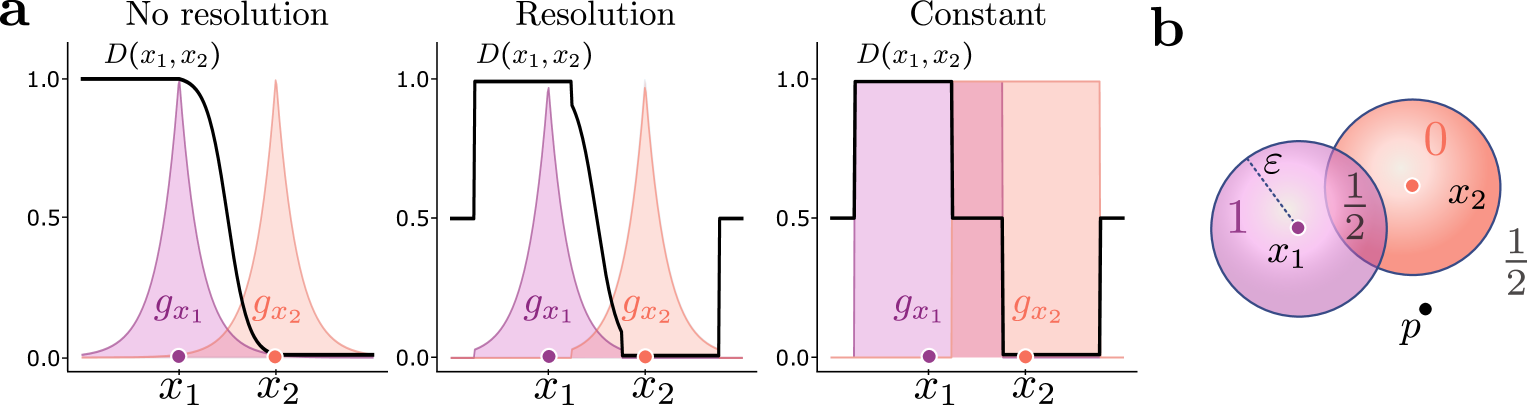
    Intelligent systems must deploy internal representations that are simultaneously structured — to support broad generalization — and selective — to preserve input identity. For any model whose representational similarity between inputs decays with finite semantic resolution, we derive closed-form expressions that pin its probability of correct generalization and identification to a universal Pareto front independent of input space geometry. A minimal ReLU network trained end-to-end reproduces these laws: during learning a resolution boundary self-organizes and empirical trajectories closely follow theoretical curves. The same limits persist in two markedly more complex settings — a convolutional neural network and state-of-the-art vision-language models — confirming that finite-resolution similarity is a fundamental emergent informational constraint.

    Cognitive and NeuroAIRUNES

  • Orsenigo, D. et al. 2026

    Orsenigo, D., Luppi, A. I., Diano, M., Ciorli, T., Borriero, A., Willis, H. E., Petri, G., Bridge, H., Tamietto, M.

    bioRxiv

    Damage to the primary visual cortex causes loss of conscious vision, yet some patients retain the ability to respond to stimuli despite reporting no visual experience. Why similar lesions produce such different behavioral phenotypes remains unclear. While research to date has focused primarily on spared pathways that bypass V1, here we asked whether these divergent outcomes are also linked to the brain's intrinsic functional architecture. In the largest resting-state fMRI cohort of patients with unilateral V1 damage reported to date, we quantified information sharing between regions across cortical and subcortical parcels in blindsight-positive and blindsight-negative patients, as well as in age-matched healthy controls. Despite comparable lesions, the two patient groups displayed distinct hierarchical patterns on the cortex: B+ patients preserved a sensory-to-association organization as in healthy controls, whereas B- patients exhibited a marked flattening of this hierarchy. The effect was driven by abnormally low shared-information coupling within unimodal cortices and scaled continuously with single-subject behavioral blind-field detection performance. A thalamic region consistent with the pulvinar, linking the contralesional visual cortex and the frontal eye field, discriminated B+ from B- patients. These findings highlight the system-level consequences of V1 damage supporting blindsight, suggesting that the unimodal-transmodal axis might track not only global states of consciousness, but also whether sensory information can guide behavior without awareness.

    Topological Neuroscience

  • Zaffina, L. et al. 2026

    Zaffina, L., Monti, C., Poetto, S., Lucas, M., Machado Borges, H. J., Deshpande, R., Tonnesen, P., Gruber, D., Gero, S., Santoro, A., Petri, G.

    bioRxiv

    Predators searching patchy environments must coordinate movements across scales, yet this behavioural hierarchy is not yet technically possible to observe in the deep ocean. Here we show that sperm-whale foraging is organized across two nested levels: directionally persistent search paths and flexible prey-capture tactics. We combine acoustic recordings with reconstructed three-dimensional trajectories from 34 sensor-tag deployments on 20 individual whales in both the eastern Caribbean and the mid-Atlantic. Complete foraging paths exhibit heavy-tailed step lengths and superdiffusive displacement, consistent with Levy-like search. Within these paths, echolocation buzzes resolve into two recurrent acoustic-kinematic tactics, and every sampled whale used both, switching between them within dives. Together, these results reveal a foraging hierarchy in which flexible capture actions unfold within persistent, deliberate large-scale search.

    Project CETIRUNES

  • Aluma, Y. et al. 2026

    Aluma, Y., Baron, Z., Barrett, R., Baumgartner, C., Beguš, G., Bhattacharya, S., Bronstein, M. M., Dahan, S., Davis, O., de Haas, S., Defoe, J., DelPreto, J., Dessi, R., Diamant, R., Gatesy, J., George, K., Gero, S., Gibbons, D., Gibbons, D., Gil, S., Goldwasser, S., Gruber, D. F., Harve, O., Hernandez, A., Ishay, M., Jadhav, N., KC, L., Kenny, A., Leitao, A., Lucas, M., Maalouf, A., Malkin, P., Mevorach, Y., Pagani, S., Paradise, O., Petri, G., Poetto, S., Rossi, E., Rus, D., Salino-Hugg, M., Santoro, A., Sharma, P., Tchernov, D., Torralba, A., Tønnesen, P., Vogt, D. M., Wood, R. J.

    Scientific Reports

    Wild cetacean birth observations are extremely rare, with observations having been recorded in less than 10% of cetacean species. Here, we describe a detailed accounting of a sperm whale (Physeter macrocephalus) birth off the coast of Dominica within a well-documented social unit and consisted of sperm whales collaboratively lifting the newborn out of the water. We recorded data via multiple concurrent methods: underwater audio, aerial drone video, shipboard photography in addition to behavioral observations spanning before, during and after the whale birth. All 11 members from sperm whale “Unit A” were present and participated in the birth, which lasted 34 min from the time the flukes emerged until the completion of delivery. The sperm whale unit made extensive vocalizations, with statistically significant shifts in coda vocal style corresponding to key events, such as the beginning of the birth and interactions with short-finned pilot whales (Globicephala macrorhynchus) shortly after the birth event. An evolutionary analysis of wild cetacean births suggests that newborns being lifted out of the water dates to before the most recent common ancestor of toothed and baleen whales, >36 million years ago, and that cooperative lifting of the newborn is noted, thus far, only in members of Odontoceti (toothed whales). This study provides the most in-depth observations of a wild cetacean birth.

    Project CETIRUNES
  • Savietto, D. et al. 2026

    Savietto, D., Campbell, D., Panisson, A., Nurisso, M., Petri, G., Cohen, J. D., Perotti, A.

    ICML

    We analyze the representational geometry of open-weight vision-language models to understand their failures in multi-object tasks such as hallucinating non-existent elements or failing to identify the most similar objects among distractions. By distilling concept vectors and validating them through steering interventions, we show that geometric overlap between these vectors strongly correlates with specific error patterns.

    Cognitive and NeuroAIRUNES

  • Abiad, A. et al. 2026

    Abiad, A., Arenas, A., Backhausz, A., Balogh, J., Banerji, C. R. S., Barbarossa, S., Bianconi, G., Bick, C., Botnan, M. B. B., Carletti, T., Cavallaro, L., Civilini, A., Eliassi-Rad, T., Gong, X., Guo, K., Harrington, H., Jost, J., Krapivsky, P. L., Liò, P., MacArthur, B., Mattsson, C., Mediano, P., Millán, A. P., Mulas, R., Patania, A., Petri, G., Rathilal, C., Sanchez Garcia, R. J., Scolamiero, M., Schaub, M. T., Sun, H., Tian, Y., Vaccarino, F., Xia, K.

    Journal of Physics: Complexity

    Higher-order interactions are increasingly being recognised as fundamental to understanding complex systems. Rather than traditional graphs encoding only pairwise connections, hypergraphs and simplicial complexes provide mathematical frameworks for modeling these multi-way interactions. This paper surveys current research while identifying open questions in spectral theory, topology, and network dynamics, proposing future directions across machine learning, neuroscience, and social sciences applications.

    Network FoundationsRUNES

  • Lucas, M. et al. 2026

    Lucas, M., Bisot, C., Petri, G., Declerck, S., Carletti, T.

    arXiv

    We develop a computational framework simulating how biological networks like fungal mycelium grow through branching and fusion. Our model shows that these synthetic structures occupy similar regions of performance space as evolved empirical fungal networks, demonstrating that optimal architectural trade-offs emerge from simple local growth mechanics. The findings indicate such networks can simultaneously achieve multiple functional objectives—including transport efficiency, exploration capacity, and structural robustness—without centralized control.

    Network Foundations

  • Nurisso, M. et al. 2026

    Nurisso, M., Leroy, P., Petri, G., Vaccarino, F.

    ICLR

    Understanding the properties of the parameter space in feed-forward ReLU networks is critical for effectively analyzing and guiding training dynamics. After initialization, training under gradient flow decisively restricts the parameter space to an algebraic variety that emerges from the homogeneous nature of the ReLU activation function. In this study, we examine two key challenges associated with feed-forward ReLU networks built on general directed acyclic graph (DAG) architectures: the (dis)connectedness of the parameter space and the existence of singularities within it. We extend previous results by providing a thorough characterization of connectedness, highlighting the roles of bottleneck nodes and balance conditions associated with specific subsets of the network. Our findings clearly demonstrate that singularities are intricately connected to the topology of the underlying DAG and its induced sub-networks. We discuss the reachability of these singularities and establish a principled connection with differentiable pruning. We validate our theory with simple numerical experiments.

    Topological NeuroscienceCognitive and NeuroAI

  • Santoro, A. et al. 2026

    Santoro, A., Neri, M., Poetto, S., Orsenigo, D., Diano, M., Gatica, M., Petri, G.

    Nature Communications

    We present the first large-scale comparison of higher-order interaction (HOI) metrics — spanning information theory and topology — applied to resting-state and task fMRI data from 100 Human Connectome Project subjects. We identify three distinct classes of HOI metrics: redundant, synergistic, and topological, with the latter bridging the two. Despite their differences, all metrics align with the brain's unimodal-to-transmodal hierarchy and, in some cases, with receptor architecture. HOI metrics outperform classical functional connectivity in fingerprinting and are more predictive of behavior, positioning them as key tools for linking brain architecture and cognition.

    Topological NeuroscienceNetwork FoundationsRUNES

  • Nurisso, M. et al. 2025

    Nurisso, M., Morandini, M., Lucas, M., Vaccarino, F., Gili, T., Petri, G.

    Nature Physics

    We propose a cross-order Laplacian renormalization group (X-LRG) scheme for arbitrary higher-order networks. The renormalization group is a pillar of the theory of scaling, scale-invariance, and universality in physics. An RG scheme based on diffusion dynamics was recently introduced for complex networks with dyadic interactions. Despite mounting evidence of the importance of polyadic interactions, we still lack a general RG scheme for higher-order networks. Our approach uses a diffusion process to group nodes or simplices, where information can flow between nodes and between simplices (higher-order interactions). This approach allows us (i) to probe higher-order structures, defining scale-invariance at various orders, and (ii) to propose a coarse-graining scheme. We demonstrate our approach on controlled synthetic higher-order systems and then use it to detect the presence of order-specific scale-invariant profiles of real-world complex systems from multiple domains.

    Network Foundations

  • Lucas, M. et al. 2025

    Lucas, M., Aime, N., Callara, A., Fontanelli, L., Sebastiani, L., Santarcangelo, E. L., Petri, G.

    Cerebral Cortex

    This study investigates the neural correlates of hypnosis using network and topological analysis of EEG data, providing evidence relevant to the state-nonstate debate in hypnosis research.

    Topological Neuroscience

  • Saracco, F. et al. 2025

    Saracco, F., Petri, G., Lambiotte, R., Squartini, T.

    Communications Physics

    We introduce entropy-based null models for hypergraphs, extending maximum-entropy network ensembles to higher-order structures. These models provide principled randomisation schemes that preserve key structural properties of real-world hypergraphs.

    Network Foundations

  • Lanciano, T. et al. 2025

    Lanciano, T., Petri, G., Gili, T., Bonchi, F.

    Scientific Reports

    We apply contrast subgraph mining to functional brain connectivity networks, identifying specific patterns of altered connectivity in autism spectrum disorder that distinguish ASD subjects from neurotypical controls.

    Topological Neuroscience

  • Santoro, A. et al. 2025

    Santoro, A., Nurisso, M., Petri, G.

    EUSIPCO

    We propose edge-based Laplacian operators for processing brain signals, moving beyond traditional node-centric approaches to capture higher-order topological features of brain functional data.

    Topological NeuroscienceNetwork FoundationsRUNES

  • Robiglio, T. et al. 2025

    Robiglio, T., Di Gaetano, L., Altieri, A., Petri, G., Battiston, F.

    Physical Review E

    We introduce and study a higher-order Ising model defined on hypergraphs, extending the classical pairwise Ising model to capture multi-body interactions and analyzing the resulting phase transitions and critical behavior.

    Network FoundationsRUNES

  • Wardynski, M. et al. 2025

    Wardynski, M., Iacopini, I., Petri, G., Latora, V., Crimi, A.

    IEEE EMBC

    We model the spread of misfolded proteins in Alzheimer's disease using simplicial contagion on brain networks, showing that higher-order interactions improve the modeling of protein propagation patterns compared to pairwise models.

    Network FoundationsTopological Neuroscience

  • Aleta, A. et al. 2025

    Aleta, A., Teixeira, A. S., Ferraz de Arruda, G., Baronchelli, A., Barrat, A., Kertész, J., Díaz-Guilera, A., Artime, O., Starnini, M., Petri, G., Karsai, M., Patwardhan, S., Vespignani, A., Moreno, Y., Fortunato, S.

    arXiv

    Multilayer network science has emerged as a central framework for analysing interconnected and interdependent complex systems. Its relevance has grown substantially with the increasing availability of rich, heterogeneous data, which makes it possible to uncover and exploit the inherently multilayered organisation of many real-world networks. In this review, we summarise recent developments in the field. On the theoretical and methodological front, we outline core concepts and survey advances in community detection, dynamical processes, temporal networks, higher-order interactions, and machine-learning-based approaches. On the application side, we discuss progress across diverse domains, including interdependent infrastructures, spreading dynamics, computational social science, economic and financial systems, ecological and climate networks, science-of-science studies, network medicine, and network neuroscience. We conclude with a forward-looking perspective, emphasizing the need for standardized datasets and software, deeper integration of temporal and higher-order structures, and a transition toward genuinely predictive models of complex systems.

  • Skardal, P. S. et al. 2025

    Skardal, P. S., Battiston, F., Lucas, M., Mizuhara, M. S., Petri, G., Zhang, Y.

    arXiv

    Understanding how higher-order interactions affect collective behavior is a central problem in nonlinear dynamics and complex systems. Most works have focused on a single higher-order coupling function, neglecting other viable choices. Here we study coupled oscillators with dyadic and three different types of higher-order couplings. By analyzing the stability of different twisted states on rings, we show that many states are stable only for certain combinations of higher-order couplings, and thus the full range of system dynamics cannot be observed unless all types of higher-order couplings are simultaneously considered.

    RUNESNetwork Foundations

  • Gardinazzi, Y. et al. 2025

    Gardinazzi, Y., Gonzaléz March, R., Kalahasti, S., Montaño Ramirez, A., Neri, M., Nguyen, C., Palermo, G., Weis, E., Ledebur, K., Dervić, E.

    arXiv

    Comorbidity networks, which capture disease-disease co-occurrence usually based on electronic health records, reveal structured patterns in how diseases cluster and progress across individuals. However, how these networks evolve across different age groups and how this evolution relates to properties like disease prevalence and mortality remains understudied. To address these issues, we used publicly available comorbidity networks extracted from a comprehensive dataset of 45 million Austrian hospital stays from 1997 to 2014, covering 8.9 million patients. These networks grow and become denser with age. We identified groups of diseases that exhibit similar patterns of structural centrality throughout the lifespan, revealing three dominant age-related components with peaks in early childhood, midlife, and late life. To uncover the drivers of this structural change, we examined the relationship between prevalence and degree. This allowed us to identify conditions that were disproportionately connected to other diseases. Using betweenness centrality in combination with mortality data, we further identified high-mortality bridging diseases. Several diseases show high connectivity relative to their prevalence, such as iron deficiency anemia (D50) in children, nicotine dependence (F17), and lipoprotein metabolism disorders (E78) in adults. We also highlight structurally central diseases with high mortality that emerge at different life stages, including cancers (C group), liver cirrhosis (K74), subarachnoid hemorrhage (I60), and chronic kidney disease (N18). These findings underscore the importance of targeting age-specific, network-central conditions with high mortality for prevention and integrated care.

  • Baratto, M. et al. 2025

    Baratto, M., Casanovas, I., Decostanzi, I., Borges, H.M., Martínez Alcalá, S., Stanzani, I., Antonioni, A., Iacopini, I., Re Fiorentin, M., Valdano, E.

    arXiv

    In this study we investigate how hierarchical structures within the Roman Catholic Church shape the ideological orientation of its leadership. The full episcopal genealogy dataset comprises over 35,000 bishops, each typically consecrated by one principal consecrator and two co-consecrators, forming a dense and historically continuous directed network of episcopal lineage. Within this broader structure, we focus on a dataset of 245 living cardinals to examine whether genealogical proximity correlates with doctrinal alignment on a broad set of theological and sociopolitical issues. We identify motifs that capture recurring patterns of lineage, such as shared consecrators or co-consecrators. In parallel, we apply natural language processing techniques to extract each cardinal's publicly stated positions on ten salient topics, including LGBTQIA+ rights, women's roles in the Church, liturgy, bioethics, priestly celibacy, and migration. Our results show that cardinals linked by specific genealogical motifs, particularly those who share the same principal consecrator, are significantly more likely to exhibit ideological similarity. We find that the influence of pope John Paul II persists through the bishops he consecrated, who demonstrate systematically more conservative views than their peers. These findings underscore the role of hierarchical mentorship in shaping ideological coherence within large-scale religious institutions. Our contribution offers quantitative evidence that institutional lineages, beyond individual background factors, may have an impact on the transmission and consolidation of doctrinal positions over time.

  • Carstens, A. et al. 2025

    Carstens, A., Deshpande, R., Esteve, P., Fidelibus, N., Neven, S.L., Ottow, R., Lokamruth, K.R., Rodríguez-Sánchez, P., Santagata, L., Buldú, J.M., Klein, B., Torricelli, M.

    arXiv

    Elite football is believed to have evolved in recent years, but systematic evidence for the pace and form of that change is sparse. Drawing on event-level records for 13,067 matches in ten top-tier men's and women's leagues in England, Spain, Germany, Italy, and the United States (2020–2025), we quantify match dynamics with two views: conventional performance statistics and pitch-passing networks that track ball movement among a grid of pitch (field) regions. Between 2020 and 2025, average passing volume, pass accuracy, and the percent of passes made under pressure all rose. In general, the largest year-on-year changes occurred in women's competitions. Network measures offer alternative but complementary perspectives on the changing gameplay in recent years, normalized outreach in the pitch passing networks decreased, while the average shortest path lengths increased, indicating a wider ball circulation. Together, these indicators point to a sustained intensification of collective play across contemporary professional football.

  • Orsenigo, D. et al. 2025

    Orsenigo, D., Setti, F., Pagani, M., Petri, G., Luppi, A., Tamietto, M., Ricciardi, E.

    bioRxiv

    We show that while the brain's large-scale functional architecture is shaped by innate hierarchical gradients, sensory deprivation induces targeted, experience-driven reorganization that flexibly reconfigures cortical connectivity without disrupting the brain's core scaffold. This work demonstrates how congenital sensory deprivation leads to specific adaptations in brain networks while preserving fundamental organizational principles.

    Topological NeuroscienceRUNES

  • Poetto, S. et al. 2025

    Poetto, S., Merritt, H., Santoro, A., Rabuffo, G., Battaglia, D., Vaccarino, F., Saggar, M., Brovelli, A., Petri, G.

    bioRxiv

    We show that topological fingerprinting, based on homological scaffolds, significantly outperforms FC-based one. We also show that these scaffolds are distributed across functional subnetworks and we link the structure of topological cycles to information synergy.

    Topological NeuroscienceNetwork FoundationsRUNES

  • Gatica, M. et al. 2025

    Gatica, M., Atkinson-Clement, C., Coronel-Oliveros, C., Alkhawashki, M., Mediano, P.A.M. , Tagliazucchi, E., Rosas, F.E., Kaiser, M., Petri, G.

    PLoS Computational Biology

    Transcranial ultrasound stimulation (TUS) is an emerging non-invasive neuromodulation technique, offering a potential alternative to pharmacological treatments for psychiatric and neurological disorders. While functional analysis has been instrumental in characterizing TUS effects, understanding the underlying mechanisms remains a challenge. Here, we developed a whole-brain model to represent functional changes as measured by fMRI, enabling us to investigate how TUS-induced effects propagate throughout the brain with increasing stimulus intensity. We implemented two mechanisms: one based on anatomical distance and another on broadcasting dynamics, to explore plasticity-driven changes in specific brain regions. Finally, we highlighted the role of higher-order functional interactions in localizing spatial effects of off-line TUS at two target areas—the right thalamus and inferior frontal cortex—revealing distinct patterns of functional reorganization. This work lays the foundation for mechanistic insights and predictive models of TUS, advancing its potential clinical applications.

    Topological NeuroscienceNetwork FoundationsRUNES

  • Neri, M. et al. 2025

    Neri, M., Brovelli, A., Castro, S., Fraisopi, F., Gatica, M., Herzog, R., Mindlin, I., Mediano, P., Petri, G., Bor, D., Rosas, F., Tramacere, A., Estarellas, M.

    European Journal of Neuroscience

    In recent decades, neuroscience has advanced with increasingly sophisticated strategies for recording and analyzing brain activity, enabling detailed investigations into the roles of functional units, such as individual neurons, brain regions, and their interactions. Recently, new strategies for the investigation of cognitive functions regard the study of higher-order interactions---that is, the interactions involving more than two brain regions or neurons. While methods focusing on individual units and their interactions at various levels offer valuable and often complementary insights, each approach comes with its own set of limitations. In this context, a conceptual map to categorize and locate diverse strategies could be crucial to orient researchers and guide future research directions. To this end, we define the spectrum of orders of interaction, namely a framework that categorizes the interactions among neurons or brain regions based on the number of elements involved in these interactions. We use a simulation of a toy model and a few case studies to demonstrate the utility and the challenges of the exploration of the spectrum. We conclude by proposing future research directions aimed at enhancing our understanding of brain function and cognition through a more nuanced methodological framework.

    Network FoundationsTopological Neuroscience

  • Robiglio, T. et al. 2025

    Robiglio, T., Neri, M., Coppes, D., Agostinelli, C., Battiston, F., Lucas, M., Petri, G.

    Physical Review Letters

    The interplay between causal mechanisms and emerging collective behaviors is a central aspect of the understanding, control, and prediction of complex networked systems. Here we study this interplay in the context of higher-order mechanisms and behaviors in two representative models: a simplicial Ising model and a simplicial social contagion model. In both systems, we find that group (higher-order) interactions show emergent synergistic (higher-order) behavior. The emergent synergy appears only at the group level and depends in a complex non-linear way on the tradeoff between the strengths of the low- and higher-order mechanisms, and is invisible to low-order behavioral observables. Finally, we present a simple method to detect higher-order mechanisms by using this signature.

    Network Foundations

  • Combrisson, E. et al. 2025

    Combrisson, E., Basanisi, R., Neri, M., Auzias, G., Petri, G., Marinazzo, D., Panzeri, S., Brovelli, A.

    Nature Communications

    This study combines information decomposition theory with MEG to explore cortico-cortical functional interactions in goal-directed learning. Results show that 'information gain' is encoded through synergistic and higher-order interactions in cortical circuits, particularly involving prefrontal regions, suggesting a distributed neural mechanism for rational decision-making.

    Network FoundationsTopological Neuroscience

  • Nguyen, N. et al. 2024

    Nguyen, N., Hou, T., Amico, E., Zheng, J., Huang, H., Kaplan, A.D., Petri, G., Goñi, J., Kaufmann, R., Zhao, Y., Duong-Tran, D., Shen, L.

    International Conference on Medical Image Computing and Computer-Assisted Intervention

    Higher-order properties of functional magnetic resonance imaging (fMRI) induced connectivity have been shown to unravel many exclusive topological and dynamical insights beyond pairwise interactions. Nonetheless, whether these fMRI-induced higher-order properties play a role in disentangling other neuroimaging modalities’ insights remains largely unexplored and poorly understood. In this work, by analyzing fMRI data from the Human Connectome Project Young Adult dataset using persistent homology, we discovered that the volume-optimal persistence homological scaffolds of fMRI-based functional connectomes exhibited conservative topological reconfigurations from the resting state to attentional task-positive state. Specifically, while reflecting the extent to which each cortical region contributed to functional cycles following different cognitive demands, these reconfigurations were constrained such that the spatial distribution of cavities in the connectome is relatively conserved. Most importantly, such level of contributions covaried with powers of aperiodic activities mostly within the theta-alpha (4-12 Hz) band measured by magnetoencephalography (MEG). This comprehensive result suggests that fMRI-induced hemodynamics and MEG theta-alpha aperiodic activities are governed by the same functional constraints specific to each cortical morpho-structure. Methodologically, our work paves the way toward an innovative computing paradigm in multimodal neuroimaging topological learning. The code for our analyses is provided in https://github.com/ngcaonghi/scaffold_noise.

    Topological Neuroscience

  • Santoro, A. et al. 2024

    Santoro, A., Battiston, F., Lucas, M., Petri, G., Amico, E.

    Nature Communications

    Traditional models of human brain activity often represent it as a network of pairwise interactions between brain regions. Going beyond this limitation, recent approaches have been proposed to infer higher-order interactions from temporal brain signals involving three or more regions. However, to this day it remains unclear whether methods based on inferred higher-order interactions outperform traditional pairwise ones for the analysis of fMRI data. To address this question, we conducted a comprehensive analysis using fMRI time series of 100 unrelated subjects from the Human Connectome Project. We show that higher-order approaches greatly enhance our ability to decode dynamically between various tasks, to improve the individual identification of unimodal and transmodal functional subsystems, and to strengthen significantly the associations between brain activity and behavior. Overall, our approach sheds new light on the higher-order organization of fMRI time series, improving the characterization of dynamic group dependencies in rest and tasks, and revealing a vast space of unexplored structures within human functional brain data, which may remain hidden when using traditional pairwise approaches.

    Network FoundationsTopological Neuroscience

  • D'acunto, G. et al. 2024

    D'acunto, G., Bonchi, F., De Francisci Morales, G., Petri, G.

    CLeaR

    The bulk of the research effort on brain connectivity revolves around statistical associations among brain regions, which do not directly relate to the causal mechanisms governing brain dynamics. Here we propose the multiscale causal backbone (MCB) of brain dynamics shared by a set of individuals across multiple temporal scales, and devise a principled methodology to extract it. Our approach leverages recent advances in multiscale causal structure learning and optimizes the trade-off between the model fitting and its complexity. Empirical assessment on synthetic data shows the superiority of our methodology over a baseline based on canonical functional connectivity networks. When applied to resting-state fMRI data, we find sparse MCBs for both the left and right brain hemispheres. Thanks to its multiscale nature, our approach shows that at low-frequency bands, causal dynamics are driven by brain regions associated with high-level cognitive functions; at higher frequencies instead, nodes related to sensory processing play a crucial role. Finally, our analysis of individuals’ multiscale causal structures confirms the existence of a causal fingerprint of brain connectivity, thus supporting from a causal perspective the existing extensive research in brain connectivity fingerprinting.

    Network FoundationsTopological Neuroscience

  • Zhang, Y. et al. 2024

    Zhang, Y., Skardal, P.S., Battiston, F., Petri, G., Lucas, M.

    Sciences Advances

    A key challenge of nonlinear dynamics and network science is to understand how higher-order interactions influence collective dynamics. Although many studies have approached this question through linear stability analysis, less is known about how higher-order interactions shape the global organization of different states. Here, we shed light on this issue by analyzing the rich patterns supported by identical Kuramoto oscillators on hypergraphs. We show that higher-order interactions can have opposite effects on linear stability and basin stability: they stabilize twisted states (including full synchrony) by improving their linear stability, but also make them hard to find by dramatically reducing their basin size. Our results highlight the importance of understanding higher-order interactions from both local and global perspectives.

    Network Foundations

  • Preti, G. et al. 2024

    Preti, G., Fazzone, A., Petri, G., De Francisci Morales, G.

    Physical Review X, 14(3), 031032

    Despite the widespread adoption of higher-order mathematical structures such as hypergraphs, methodological tools for their analysis lag behind those for traditional graphs. This work addresses a critical gap in this context by proposing two microcanonical random null models for directed hypergraphs: the directed hypergraph degree model (dhdm) and the directed hypergraph JOINT model (dhjm). These models preserve essential structural properties of directed hypergraphs such as node in- and out-degree sequences and hyperedge head- and tail-size sequences, or their joint tensor. We also describe two efficient Markov chain Monte Carlo algorithms, nudhy-degs and nudhy-joint, to sample random hypergraphs from these ensembles. To showcase the interdisciplinary applicability of the proposed null models, we present three distinct use cases in sociology, epidemiology, and economics. First, we reveal the oscillatory behavior of increased homophily in opposition parties in the U.S. Congress over a 40-year span, emphasizing the role of higher-order structures in quantifying political group homophily. Second, we investigate a nonlinear contagion in contact hypernetworks, demonstrating that disparities between simulations and theoretical predictions can be explained by considering higher-order joint degree distributions. Last, we examine the economic complexity of countries in the global trade network, showing that local network properties preserved by nudhy explain the main structural economic complexity indexes. This work advances the development of null models for directed hypergraphs, addressing the intricate challenges posed by their complex entity relations, and providing a versatile suite of tools for researchers across various domains.

    Network Foundations

  • Leitao, A. et al. 2024

    Leitao, A., Lucas, M., Poetto, S., Hersh, T. A., Gero, S., Gruber, D., Bronstein, M., Petri, G.

    eLife

    We provide quantitative evidence suggesting social learning in sperm whales across sociocultural boundaries, using acoustic data from the Pacific and Atlantic Oceans. Traditionally, sperm whale populations are categorized into clans based on their vocal repertoire: the rhythmically patterned click sequences (codas) that they use. Among these codas, identity codas function as symbolic markers for each clan, accounting for 35-60% of codas they produce. We introduce a computational method to model whale speech, which encodes rhythmic microvariations within codas, capturing their vocal style. We find that vocal style-clans closely align with repertoire-clans. However, contrary to vocal repertoire, we show that sympatry increases vocal style similarity between clans for non-identity codas, i.e. most codas, suggesting social learning across cultural boundaries. More broadly, this subcoda structure model offers a framework for comparing communication systems in other species, with potential implications for deeper understanding of vocal and cultural transmission within animal societies.

    Project CETI

  • Mancastroppa, M. et al. 2024

    Mancastroppa, M., Iacopini, I., Petri, G., Barrat, A.

    EPJ Data Science

    The richness of many complex systems stems from the interactions among their components. The higher-order nature of these interactions, involving many units at once, and their temporal dynamics constitute crucial properties that shape the behaviour of the system itself. An adequate description of these systems is offered by temporal hypergraphs, that integrate these features within the same framework. However, tools for their temporal and topological characterization are still scarce. Here we develop a series of methods specifically designed to analyse the structural properties of temporal hypergraphs at multiple scales. Leveraging the hyper-core decomposition of hypergraphs, we follow the evolution of the hyper-cores through time, characterizing the hypergraph structure and its temporal dynamics at different topological scales, and quantifying the multi-scale structural stability of the system. We also define two static hypercoreness centrality measures that provide an overall description of the nodes aggregated structural behaviour. We apply the characterization methods to several data sets, establishing connections between structural properties and specific activities within the systems. Finally, we show how the proposed method can be used as a model-validation tool for synthetic temporal hypergraphs, distinguishing the higher-order structures and dynamics generated by different models from the empirical ones, and thus identifying the essential model mechanisms to reproduce the empirical hypergraph structure and evolution. Our work opens several research directions, from the understanding of dynamic processes on temporal higher-order networks to the design of new models of time-varying hypergraphs.

    Network Foundations

  • Duong-Tran, D. et al. 2024

    Duong-Tran, D., Kaufmann, R., Chen, J., Wang, X., Garai, S., Xu, F. H., Bao, J., Amico, E., Kaplan, A. D., Petri, G., Goni, J., Zhao, Y., Shen, L.

    Mathematics, 12(3), 455

    This study proposes a homological formalism to quantify higher-order characteristics in human brain functional sub-circuits, revealing complementary properties and self-similarity across homological orders in brain connectivity during rest and tasks.

    Network FoundationsTopological Neuroscience

  • Brondetta, A. et al. 2024

    Brondetta, A., Bizyaeva, A., Lucas, M., Petri, G., Musslick, S.

    Proceedings of the Annual Meeting of the Cognitive Science Society, 46

    This simulation study examines how diversity in cognitive stability and flexibility among individuals improves collaborative task switching. Findings show that heterogeneous groups excel in high-switch environments, especially when the most flexible agents receive switch instructions, suggesting benefits for cognitive heterogeneity in clinical and educational applications.

    Cognitive and NeuroAI

  • Zhang, Y. et al. 2023

    Zhang, Y., Lucas, M., Battiston, F.

    Nature Communications

    Higher-order interactions, through which three or more entities interact simultaneously, are important to the faithful modeling of many real-world complex systems. Recent efforts have focused on elucidating the effects of these nonpairwise interactions on the collective behaviors of coupled systems. Interestingly, several examples of higher-order interactions promoting synchronization have been found, raising speculations that this might be a general phenomenon. Here, we demonstrate that even for simple systems such as Kuramoto oscillators, the effects of higher-order interactions are highly nuanced. In particular, we show numerically and analytically that hyperedges typically enhance synchronization in random hypergraphs, but have the opposite effect in simplicial complexes. As an explanation, we identify higher-order degree heterogeneity as the key structural determinant of synchronization stability in systems with a fixed coupling budget. Typical to nonlinear systems, we also capture regimes where pairwise and nonpairwise interactions synergize to optimize synchronization. Our work contributes to a better understanding of dynamical systems with structured higher-order interactions.

    Network Foundations

  • Lucas, M. et al. 2023

    Lucas, M., Iacopini, I., Robiglio, T., Barrat, A., Petri, G.

    Physical Review Research

    Single contagion processes are known to display a continuous transition from an epidemic-free phase at low contagion rates to the epidemic state for rates above a critical threshold. This transition can become discontinuous when two simple contagion processes are coupled in a bi-directional symmetric way. However, in many cases, the coupling is not symmetric and the processes can be of a different nature. For example, social behaviors---such as hand-washing or mask-wearing---can affect the spread of a disease, and their adoption dynamics via social reinforcement mechanisms are better described by complex contagion models, rather than by the simple contagion paradigm, which is more appropriate for disease spreading phenomena. Motivated by this example, we consider a simplicial contagion (describing the adoption of a behavior) that uni-directionally drives a simple contagion (describing a disease propagation). We show that, above a critical driving strength, such driven simple contagion can exhibit both discontinuous transitions and bi-stability, which are instead absent in standard simple contagions. We provide a mean-field analytical description of the phase diagram of the system, and complement the results with Markov-chain simulations. Our results provide a novel route for a simple contagion process to display the phenomenology of a higher-order contagion, through a driving mechanism that may be hidden or unobservable in many practical instances.

    Network Foundations

  • Lucas, M. et al. 2023

    Lucas, M., Morris, A., Townsend-Teague, A., Tichit, L., Habermann, B., Barrat, A.

    Cell Reports Methods

    The temporal organization of biological systems is key for understanding them, but current methods for identifying this organization are often ad hoc and require prior knowledge. We present Phasik, a method that automatically identifies this multiscale organization by combining time series data (protein or gene expression) and interaction data (protein-protein interaction network). Phasik builds a (partially) temporal network and uses clustering to infer temporal phases. We demonstrate the method’s effectiveness by recovering well-known phases and sub-phases of the cell cycle of budding yeast and phase arrests of mutants. We also show its general applicability using temporal gene expression data from circadian rhythms in wild-type and mutant mouse models. We systematically test Phasik’s robustness and investigate the effect of having only partial temporal information. As time-resolved, multiomics datasets become more common, this method will allow the study of temporal regulation in lesser-known biological contexts, such as development, metabolism, and disease.

    Network FoundationsTopological Neuroscience

  • Santoro, A. et al. 2023

    Santoro, A., Battiston, F., Petri, G., Amico, E.

    Nature Physics

    Time series analysis has proven to be a powerful method to characterize several phenomena in biology, neuroscience and economics, and to understand some of their underlying dynamical features. Several methods have been proposed for the analysis of multivariate time series, yet most of them neglect the effect of non-pairwise interactions on the emerging dynamics. Here, we propose a framework to characterize the temporal evolution of higher-order dependencies within multivariate time series. Using network analysis and topology, we show that our framework robustly differentiates various spatiotemporal regimes of coupled chaotic maps. This includes chaotic dynamical phases and various types of synchronization. Hence, using the higher-order co-fluctuation patterns in simulated dynamical processes as a guide, we highlight and quantify signatures of higher-order patterns in data from brain functional activity, financial markets and epidemics. Overall, our approach sheds light on the higher-order organization of multivariate time series, allowing a better characterization of dynamical group dependencies inherent to real-world data.

    Network Foundations

  • de Arruda, G.F. et al. 2023

    de Arruda, G.F., Petri, G., Rodriguez, P.M., Moreno, Y.

    Nature Communications

    Although ubiquitous, interactions in groups of individuals are not yet thoroughly studied. Frequently, single groups are modeled as critical-mass dynamics, which is a widespread concept used not only by academics but also by politicians and the media. However, less explored questions are how a collection of groups will behave and how their intersection might change the dynamics. Here, we formulate this process as binary-state dynamics on hypergraphs. We showed that our model has a rich behavior beyond discontinuous transitions. Notably, we have multistability and intermittency. We demonstrated that this phenomenology could be associated with community structures, where we might have multistability or intermittency by controlling the number or size of bridges between communities. Furthermore, we provided evidence that the observed transitions are hybrid. Our findings open new paths for research, ranging from physics, on the formal calculation of quantities of interest, to social sciences, where new experiments can be designed.

    Network Foundations

  • Nurisso, M. et al. 2023

    Nurisso, M., Arnaudon, A., Lucas, M., Peach, R. L., Expert, P., Vaccarino, F., Petri, G.

    Chaos: An Interdisciplinary Journal of Nonlinear Science

    Simplicial Kuramoto models have emerged as a diverse and intriguing class of models describing oscillators on simplices rather than nodes. In this paper, we present a unified framework to describe different variants of these models, categorized into three main groups: simple models, Hodge-coupled models, and order-coupled (Dirac) models. Our framework is based on topology, discrete differential geometry as well as gradient flows and frustrations, and permits a systematic analysis of their properties. We establish an equivalence between the simple simplicial Kuramoto model and the standard Kuramoto model on pairwise networks under the condition of manifoldness of the simplicial complex. Then, starting from simple models, we describe the notion of simplicial synchronization and derive bounds on the coupling strength necessary or sufficient for achieving it. For some variants, we generalize these results and provide new ones, such as the controllability of equilibrium solutions. Finally, we explore a potential application in the reconstruction of brain functional connectivity from structural connectomes and find that simple edge-based Kuramoto models perform competitively or even outperform complex extensions of node-based models.

    Network Foundations

  • Mancastroppa, M. et al. 2023

    Mancastroppa, M., Iacopini, I., Petri, G., Barrat, A.

    Nature Communications, 14(1), 6223

    This study presents the hyper-core decomposition in hypergraphs, introducing a novel centrality measure, hypercoreness. It shows that nodes with high hypercoreness play crucial roles in spreading processes and social convention dynamics, making hyper-cores valuable for analyzing higher-order interactions in complex systems.

    Network Foundations

  • Celeghin, A. et al. 2023

    Celeghin, A., Borriero, A., Orsenigo, D., Diano, M., Méndez Guerrero, C. A., Perotti, A., Petri, G., Tamietto, M.

    Frontiers in Computational Neuroscience, 17, 1153572

    This paper examines Convolutional Neural Networks (CNNs) as in silico models of the primate visual system, highlighting structural and functional parallels. It discusses challenges in modeling visual processing pathways and proposes architectural constraints to align CNNs more closely with biological vision, extending their applicability beyond object recognition.

    Cognitive and NeuroAITopological Neuroscience

  • Lucas, M. et al. 2023

    Lucas, M., Townsend-Teague, A., Neri, M., Poetto, S., Morris, A., Habermann, B., Tichit, L.

    J. Open Source Softw., 8, 5872

    Phasik is a Python library for analyzing the temporal structure of temporal and partially temporal networks. Temporal networks are used to model complex systems that consist of entities with time-varying interactions. This library provides methods for building temporal networks (including from data), visualizing them, and analyzing their structure. In particular, Phasik focuses on the identification of temporal phases, that is, periods of time during which the system is in a given state. The library supports partially temporal networks for which information about only a subset of the edges’ temporal evolution is available. Phasik is implemented in pure Python and integrates with the rest of the Python scientific stack.

    Network Foundations

  • Landry, N. W. et al. 2023

    Landry, N. W., Lucas, M., Iacopini, I., Petri, G., Schwarze, A., Patania, A., Torres, L.

    J. Open Source Softw., 8, 5162

    CompleX Group Interactions (XGI) is a library for analyzing higher-order networks. Such networks are used to model interactions of arbitrary size between entities in a complex system. This library provides methods for building hypergraphs and simplicial complexes; algorithms to analyze their structure, visualize them, and simulate dynamical processes on them; and a collection of higher-order datasets. XGI is implemented in pure Python and integrates with the rest of the Python scientific stack. XGI is designed and developed by network scientists with the needs of network scientists in mind.

    Network Foundations

  • Akinrinade, I. et al. 2023

    Akinrinade, I., Kareklas, K., Teles, M. C., Reis, T. K., Gliksberg, M., Petri, G., Levkowitz, G., Oliveira, R. F.

    Science, 379(6638), 1232-1237

    Emotional contagion is the most ancestral form of empathy. We tested to what extent the proximate mechanisms of emotional contagion are evolutionarily conserved by assessing the role of oxytocin, known to regulate empathic behaviors in mammals, in social fear contagion in zebrafish. Using oxytocin and oxytocin receptor mutants, we show that oxytocin is both necessary and sufficient for observer zebrafish to imitate the distressed behavior of conspecific demonstrators. The brain regions associated with emotional contagion in zebrafish are homologous to those involved in the same process in rodents (e.g., striatum, lateral septum), receiving direct projections from oxytocinergic neurons located in the pre-optic area. Together, our results support an evolutionary conserved role for oxytocin as a key regulator of basic empathic behaviors across vertebrates.

    Topological Neuroscience

  • Andreas, J. et al. 2022

    Andreas, J., Begus, G., Bronstein, M. M., Diamant, R., Delaney, D., Gero, S., Goldwasser, S., Gruber, D. F., de Haas, S., Malkin, P., Pavlov, N., Payne, R., Petri, G., Rus, D., Sharma, P., Tchernov, D., Tønnesen, P., Torralba, A., Vogt, D., Wood, R. J.

    iScience, 25(6)

    Machine learning has been advancing dramatically over the past decade. Most strides are human-based applications due to the availability of large-scale datasets; however, opportunities are ripe to apply this technology to more deeply understand non-human communication. We detail a scientific roadmap for advancing the understanding of communication of whales that can be built further upon as a template to decipher other forms of animal and non-human communication. Sperm whales, with their highly developed neuroanatomical features, cognitive abilities, social structures, and discrete click-based encoding make for an excellent model for advanced tools that can be applied to other animals in the future. We outline the key elements required for the collection and processing of massive datasets, detecting basic communication units and language-like higher-level structures, and validating models through interactive playback experiments. The technological capabilities developed by such an undertaking hold potential for cross-applications in broader communities investigating non-human communication and behavioral research.

    Project CETI

  • Iacopini, I. et al. 2022

    Iacopini, I., Petri, G., Baronchelli, A., Barrat, A.

    Communications Physics, 5(1), 64

    How can minorities of individuals overturn social conventions? The theory of critical mass states that when a committed minority reaches a critical size, a cascade of behavioural changes can occur, overturning apparently stable social norms. Evidence comes from theoretical and empirical studies in which minorities of very different sizes, including extremely small ones, manage to bring a system to its tipping point. Here, we explore this diversity of scenarios by introducing group interactions as a crucial element of realism into a model for social convention. We find that the critical mass necessary to trigger behaviour change can be very small if individuals have a limited propensity to change their views. Moreover, the ability of the committed minority to overturn existing norms depends in a complex way on the group size. Our findings reconcile the different sizes of critical mass found in previous investigations and unveil the critical role of groups in such processes. This further highlights the importance of the emerging field of higher-order networks, beyond pairwise interactions.

    Network Foundations

  • Scaia, M. F. et al. 2022

    Scaia, M. F., Akinrinade, I., Petri, G., Oliveira, R. F.

    Frontiers in Behavioral Neuroscience, 16, 784835

    Although aggression is more prevalent in males, females also express aggressive behaviors and in specific ecological contexts females can be more aggressive than males. The aim of this work is to assess sex differences in aggression and to characterize the patterns of neuronal activation of the social-decision making network (SDMN) in response to intra-sexual aggression in both male and female zebrafish. Adult fish were exposed to social interaction with a same-sex opponent and all behavioral displays, latency, and time of resolution were quantified. After conflict resolution, brains were sampled and sex differences on functional connectivity throughout the SDMN were assessed by immunofluorescence of the neuronal activation marker pS6. Results suggest that both sexes share a similar level of motivation for aggression, but female encounters show shorter conflict resolution and a preferential use of antiparallel displays instead of overt aggression, showing a reduction of putative maladaptive effects. Although there are no sex differences in the neuronal activation in any individual brain area from the SDMN, agonistic interactions increased neuronal activity in most brain areas in both sexes. Functional connectivity was assessed using bootstrapped adjacency matrices that capture the co-activation of the SDMN nodes. Male winners increased the overall excitation and showed no changes in inhibition across the SDMN, whereas female winners and both male and female losers showed a decrease in both excitation and inhibition of the SDMN in comparison to non-interacting control fish. Moreover, network centrality analysis revealed both shared hubs, as well as sex-specific hubs, between the sexes for each social condition in the SDMN. In summary, a distinct neural activation pattern associated with social experience during fights was found for each sex, suggesting a sex-specific differential activation of the social brain as a consequence of social experience. Overall, our study adds insights into sex differences in agonistic behavior and on the neuronal architecture of intrasexual aggression in zebrafish.

    Topological Neuroscience

  • St-Onge, G. et al. 2022

    St-Onge, G., Iacopini, I., Latora, V., Barrat, A., Petri, G., Allard, A., Hébert-Dufresne, L.

    Communications Physics, 5(1), 25

    Contagion phenomena are often the results of multibody interactions—such as superspreading events or social reinforcement—describable as hypergraphs. We develop an approximate master equation framework to study contagions on hypergraphs with a heterogeneous structure in terms of group size (hyperedge cardinality) and of node membership (hyperdegree). By mapping multibody interactions to nonlinear infection rates, we demonstrate the influence of large groups in two ways. First, we characterize the phase transition, which can be continuous or discontinuous with a bistable regime. Our analytical expressions for the critical and tricritical points highlight the influence of the first three moments of the membership distribution. We also show that heterogeneous group sizes and nonlinear contagion promote a mesoscopic localization regime where contagion is sustained by the largest groups, thereby inhibiting bistability. Second, we formulate an optimal seeding problem for hypergraph contagion and compare two strategies: allocating seeds according to node or group properties. We find that, when the contagion is sufficiently nonlinear, groups are more effective seeds than individual hubs.

    Network Foundations

  • Billings, J. et al. 2022

    Billings, J., Tivadar, R., Murray, M. M., Franceschiello, B., Petri, G.

    Brain Topography, 35(1), 79-95

    Electroencephalography (EEG) is among the most widely diffused, inexpensive, and adopted neuroimaging techniques. Nonetheless, EEG requires measurements against a reference site(s), which is typically chosen by the experimenter, and specific pre-processing steps precede analyses. It is therefore valuable to obtain quantities that are minimally affected by reference and pre-processing choices. Here, we show that the topological structure of embedding spaces, constructed either from multi-channel EEG timeseries or from their temporal structure, are subject-specific and robust to re-referencing and pre-processing pipelines. By contrast, the shape of correlation spaces, that is, discrete spaces where each point represents an electrode and the distance between them that is in turn related to the correlation between the respective timeseries, was neither significantly subject-specific nor robust to changes of reference. Our results suggest that the shape of spaces describing the observed configurations of EEG signals holds information about the individual specificity of the underlying individual’s brain dynamics, and that temporal correlations constrain to a large degree the set of possible dynamics. In turn, these encode the differences between subjects’ space of resting state EEG signals. Finally, our results and proposed methodology provide tools to explore the individual topographical landscapes and how they are explored dynamically. We propose therefore to augment conventional topographic analyses with an additional—topological—level of analysis, and to consider them jointly. More generally, these results provide a roadmap for the incorporation of topological analyses within EEG pipelines.

    Topological NeuroscienceNetwork Foundations

  • Azeglio, S. et al. 2022

    Azeglio, S., Poetto, S., Savant, L., Nurisso, M.

    Computational models of vision have traditionally been developed in a bottom-up fashion, by hierarchically composing a series of straightforward operations - i.e. convolution and pooling - with the aim of emulating simple and complex cells in the visual cortex, resulting in the introduction of deep convolutional neural networks (CNNs). Nevertheless, data obtained with recent neuronal recording techniques support that the nature of the computations carried out in the ventral visual stream is not completely captured by current deep CNN models. To fill the gap between the ventral visual stream and deep models, several benchmarks have been designed and organized into the Brain-Score platform, granting a way to perform multi-layer (V1, V2, V4, IT) and behavioral comparisons between the two counterparts. In our work, we aim to shift the focus on architectures that take into account lateral recurrent connections, a ubiquitous feature of the ventral visual stream, to devise adaptive receptive fields. Through recurrent connections, the input s long-range spatial dependencies can be captured in a local multi-step fashion and, as introduced with Gated Recurrent CNNs (GRCNN), the unbounded expansion of the neuron s receptive fields can be modulated through the use of gates. In order to increase the robustness of our approach and the biological fidelity of the activations, we employ specific data augmentation techniques in line with several of the scoring benchmarks. Enforcing some form of invariance, through heuristics, was found to be beneficial for better neural predictivity.

    Cognitive and NeuroAI

  • Battiston, F. et al. 2021

    Battiston, F., Amico, E., Barrat, A., Bianconi, G., Ferraz de Arruda, G., Franceschiello, B., Iacopini, I., Kéfi, I, Latora, V., Moreno, Y., Murray, M.M., Peixoto, T.P., Vaccarino, F., Petri, G.

    Nature Physics

    Complex networks have become the main paradigm for modelling the dynamics of interacting systems. However, networks are intrinsically limited to describing pairwise interactions, whereas real-world systems are often characterized by higher-order interactions involving groups of three or more units. Higher-order structures, such as hypergraphs and simplicial complexes, are therefore a better tool to map the real organization of many social, biological and man-made systems. Here, we highlight recent evidence of collective behaviours induced by higher-order interactions, and we outline three key challenges for the physics of higher-order systems.

    Network Foundations

  • Petri, G. et al. 2021

    Petri, G., Musslick, S., Dey, B., Ozcimder, K., Turner, D., Ahmed, N.K., Willke, T.L., Cohen, J.D.

    Nature Physics

    The ability to learn new tasks and generalize to others is a remarkable characteristic of both human brains and recent artificial intelligence systems. The ability to perform multiple tasks simultaneously is also a key characteristic of parallel architectures, as is evident in the human brain and exploited in traditional parallel architectures. Here we show that these two characteristics reflect a fundamental tradeoff between interactive parallelism, which supports learning and generalization, and independent parallelism, which supports processing efficiency through concurrent multitasking. Although the maximum number of possible parallel tasks grows linearly with network size, under realistic scenarios their expected number grows sublinearly. Hence, even modest reliance on shared representations, which support learning and generalization, constrains the number of parallel tasks. This has profound consequences for understanding the human brain’s mix of sequential and parallel capabilities, as well as for the development of artificial intelligence systems that can optimally manage the tradeoff between learning and processing efficiency.

    Topological NeuroscienceCognitive and NeuroAI

  • Young, J. et al. 2021

    Young, J., Petri, G., Peixoto, T.P.

    Communications Physics

    Networks can describe the structure of a wide variety of complex systems by specifying which pairs of entities in the system are connected. While such pairwise representations are flexible, they are not necessarily appropriate when the fundamental interactions involve more than two entities at the same time. Pairwise representations nonetheless remain ubiquitous, because higher-order interactions are often not recorded explicitly in network data. Here, we introduce a Bayesian approach to reconstruct latent higher-order interactions from ordinary pairwise network data. Our method is based on the principle of parsimony and only includes higher-order structures when there is sufficient statistical evidence for them. We demonstrate its applicability to a wide range of datasets, both synthetic and empirical.

    Network Foundations

  • Nunes, A. R. et al. 2021

    Nunes, A. R., Gliksberg, M., Varela, S. A. M., Teles, M., Wircer, E., Blechman, J., Petri, G., Levkowitz, G., Oliveira, R. F.

    Journal of Neuroscience, 41(42), 8742-8760

    Hormones regulate behavior either through activational effects that facilitate the acute expression of specific behaviors or through organizational effects that shape the development of the nervous system thereby altering adult behavior. Much research has implicated the neuropeptide oxytocin (OXT) in acute modulation of various aspects of social behaviors across vertebrate species, and OXT signaling is associated with the developmental social deficits observed in autism spectrum disorders (ASDs); however, little is known about the role of OXT in the neurodevelopment of the social brain. We show that perturbation of OXT neurons during early zebrafish development led to a loss of dopaminergic neurons, associated with visual processing and reward, and blunted the neuronal response to social stimuli in the adult brain. Ultimately, adult fish whose OXT neurons were ablated in early life, displayed altered functional connectivity within social decision-making brain nuclei both in naive state and in response to social stimulus and became less social. We propose that OXT neurons have an organizational role, namely, to shape forebrain neuroarchitecture during development and to acquire an affiliative response toward conspecifics.

    Topological Neuroscience

  • Battiston, F. et al. 2020

    Battiston, F., Cencetti, G., Iacopini, I., Latora, V., Lucas, M., Patania, A., Young, J.-G., Petri, G.

    Physics Reports

    The complexity of many biological, social and technological systems stems from the richness of the interactions among their units. Over the past decades, a variety of complex systems has been successfully described as networks whose interacting pairs of nodes are connected by links. Yet, from human communications to chemical reactions and ecological systems, interactions can often occur in groups of three or more nodes and cannot be described simply in terms of dyads. Until recently little attention has been devoted to the higher-order architecture of real complex systems. However, a mounting body of evidence is showing that taking the higher-order structure of these systems into account can enhance our modeling capacities and help us understand and predict their dynamical behavior. Here we present a complete overview of the emerging field of networks beyond pairwise interactions. We discuss how to represent higher-order interactions and introduce the different frameworks used to describe higher-order systems, highlighting the links between the existing concepts and representations. We review the measures designed to characterize the structure of these systems and the models proposed to generate synthetic structures, such as random and growing bipartite graphs, hypergraphs and simplicial complexes. We introduce the rapidly growing research on higher-order dynamical systems and dynamical topology, discussing the relations between higher-order interactions and collective behavior. We focus in particular on new emergent phenomena characterizing dynamical processes, such as diffusion, synchronization, spreading, social dynamics and games, when extended beyond pairwise interactions. We conclude with a summary of empirical applications, and an outlook on current modeling and conceptual frontiers.

    Network Foundations

  • Lucas, M. et al. 2020

    Lucas, M., Cencetti, G., Battiston, F.

    Physical Review Research, 2, 033410

    The emergence of synchronization in systems of coupled agents is a pivotal phenomenon in physics, biology, computer science, and neuroscience. Traditionally, interaction systems have been described as networks, where links encode information only on the pairwise influences among the nodes. Yet, in many systems, interactions among the units take place in larger groups. Recent work has shown that the presence of higher-order interactions between oscillators can significantly affect the emerging dynamics. However, these early studies have mostly considered interactions up to four oscillators at time, and analytical treatments are limited to the all-to-all setting. Here, we propose a general framework that allows us to effectively study populations of oscillators where higher-order interactions of all possible orders are considered, for any complex topology described by arbitrary hypergraphs, and for general coupling functions. To this end, we introduce a multiorder Laplacian whose spectrum determines the stability of the synchronized solution. Our framework is validated on three structures of interactions of increasing complexity. First, we study a population with all-to-all interactions at all orders, for which we can derive in a full analytical manner the Lyapunov exponents of the system, and for which we investigate the effect of including attractive and repulsive interactions. Second, we apply the multiorder Laplacian framework to synchronization on a synthetic model with heterogeneous higher-order interactions. Finally, we compare the dynamics of coupled oscillators with higher-order and pairwise couplings only, for a real dataset describing the macaque brain connectome, highlighting the importance of faithfully representing the complexity of interactions in real-world systems. Taken together, our multiorder Laplacian allows us to obtain a complete analytical characterization of the stability of synchrony in arbitrary higher-order networks, paving the way toward a general treatment of dynamical processes beyond pairwise interactions.

    Network Foundations

  • Petri, G. and Leitao, A. 2020

    Petri, G., Leitao, A.

    We propose a topological description of neural network expressive power. We adopt the topology of the space of decision boundaries realized by a neural architecture as a measure of its intrinsic expressive power. By sampling a large number of neural architectures with different sizes and design, we show how such measure of expressive power depends on the properties of the architectures, like depth, width and other related quantities.

    Network FoundationsTopological Neuroscience

  • Scarpino, S.V. and Petri, G. 2019

    Scarpino, S.V., Petri, G.

    Nature communications

    Infectious disease outbreaks recapitulate biology: they emerge from the multi-level interaction of hosts, pathogens, and environment. Therefore, outbreak forecasting requires an integrative approach to modeling. While specific components of outbreaks are predictable, it remains unclear whether fundamental limits to outbreak prediction exist. Here, adopting permutation entropy as a model independent measure of predictability, we study the predictability of a diverse collection of outbreaks and identify a fundamental entropy barrier for disease time series forecasting. However, this barrier is often beyond the time scale of single outbreaks, implying prediction is likely to succeed. We show that forecast horizons vary by disease and that both shifting model structures and social network heterogeneity are likely mechanisms for differences in predictability. Our results highlight the importance of embracing dynamic modeling approaches, suggest challenges for performing model selection across long time series, and may relate more broadly to the predictability of complex adaptive systems.

    Network Foundations

  • Iacopini, I. et al. 2019

    Iacopini, I., Petri, G., Barrat, A., Latora, V.

    Nature communications

    Complex networks have been successfully used to describe the spread of diseases in populations of interacting individuals. Conversely, pairwise interactions are often not enough to characterize social contagion processes such as opinion formation or the adoption of novelties, where complex mechanisms of influence and reinforcement are at work. Here we introduce a higher-order model of social contagion in which a social system is represented by a simplicial complex and contagion can occur through interactions in groups of different sizes. Numerical simulations of the model on both empirical and synthetic simplicial complexes highlight the emergence of novel phenomena such as a discontinuous transition induced by higher-order interactions. We show analytically that the transition is discontinuous and that a bistable region appears where healthy and endemic states co-exist. Our results help explain why critical masses are required to initiate social changes and contribute to the understanding of higher-order interactions in complex systems.

    Network Foundations

  • Petri, G. et al. 2014

    Petri, G., Expert, P., Turkheimer, F., Carhart-Harris, R., Nutt, D., Hellyer, P.J., Vaccarino, F.

    Journal of The Royal Society Interface

    Networks, as efficient representations of complex systems, have appealed to scientists for a long time and now permeate many areas of science, including neuroimaging (Bullmore and Sporns 2009 Nat. Rev. Neurosci. 10, 186–198. (doi:10.1038/nrn2618)). Traditionally, the structure of complex networks has been studied through their statistical properties and metrics concerned with node and link properties, e.g. degree-distribution, node centrality and modularity. Here, we study the characteristics of functional brain networks at the mesoscopic level from a novel perspective that highlights the role of inhomogeneities in the fabric of functional connections. This can be done by focusing on the features of a set of topological objects—homological cycles—associated with the weighted functional network. We leverage the detected topological information to define the homological scaffolds, a new set of objects designed to represent compactly the homological features of the correlation network and simultaneously make their homological properties amenable to networks theoretical methods. As a proof of principle, we apply these tools to compare resting-state functional brain activity in 15 healthy volunteers after intravenous infusion of placebo and psilocybin—the main psychoactive component of magic mushrooms. The results show that the homological structure of the brain's functional patterns undergoes a dramatic change post-psilocybin, characterized by the appearance of many transient structures of low stability and of a small number of persistent ones that are not observed in the case of placebo.

    Topological Neuroscience